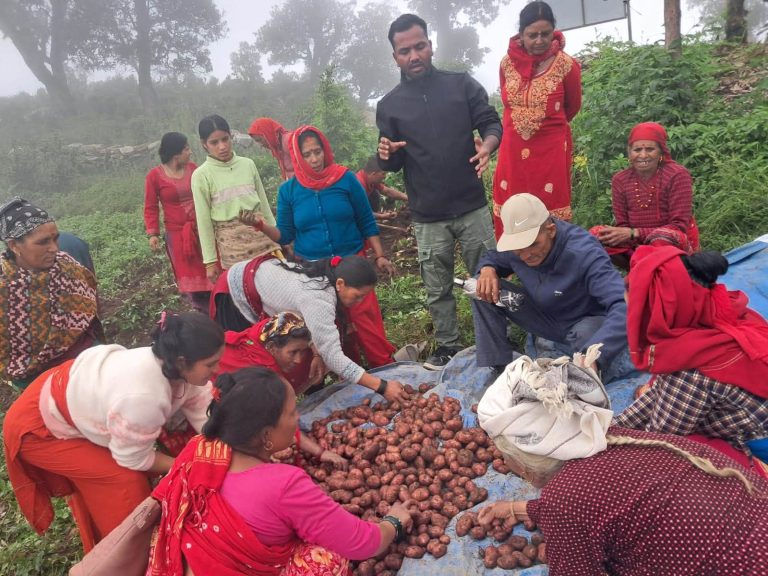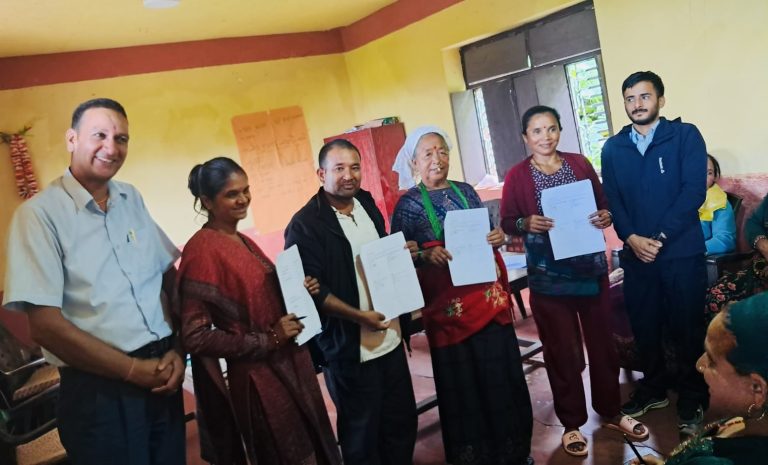
30 July-1 Aug, 2026. A two-day training on “Occupational Safety and Health (OSH)” has successfully finished for women farmers of Raniban Toraya Organic Agricultural Cooperative in Dullu Municipality-11, Kalbhairab, Toraya, Dailekh.
The program was organized by Saewcc-Nepal under the initiative of the International Labour Organization (ILO) through the European Union–United Nations (EU-UN) “Empowered Women, Prosperous Nepal (EWPN)” Program.
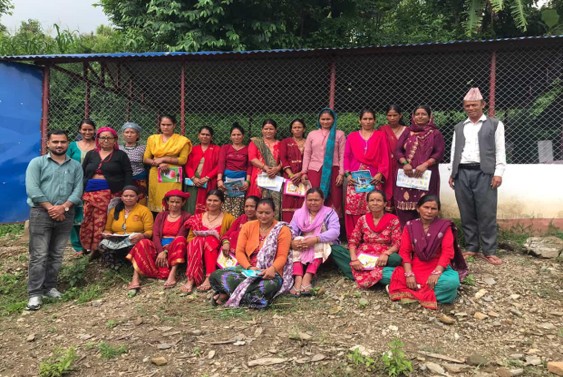
The training aimed to promote safe, healthy, and well-managed agricultural workplaces. It also sought to improve the participants’ knowledge and skills related to occupational safety and health.
The training used the Work Improvement in Neighborhood Development (WIND) participatory approach. This approach focuses on practical workplace improvements by effectively using locally available resources and affordable solutions.
A total of 23 women farmers attended the training. Mukesh Paneru, Agriculture Development Officer, led the sessions.
On the first day, participants learned about the workplace safety checklist and did a walk-through exercise to spot potential risks and areas needing improvement. The sessions emphasized proper material handling and storage, enhancing workstations, organizing agricultural tools, and ensuring safe use of agricultural machinery and equipment.
Participants also discovered ways to reduce work-related risks. This included keeping commonly used materials within easy reach, maintaining a proper working height, designating places for tools, and using safety guards and switches while operating agricultural machinery.
On the second day, they discussed ways to improve the work environment and reduce exposure to harmful substances. They also highlighted the importance of welfare facilities and raising awareness about gender equality, gender-based violence (GBV), and workplace harassment.
The participants received practical tips on enhancing natural lighting and ventilation, cutting smoke emissions with better cooking stoves, choosing less toxic pesticides, and properly using personal protective equipment (PPE). The sessions stressed the importance of safe drinking water, clean eating areas, first-aid kits, and community cooperation.
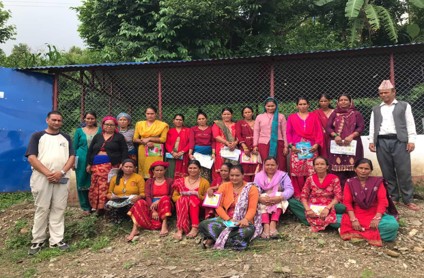
During group discussions, participants identified positive practices and areas that needed improvement at home and in their agricultural workplaces. They suggested practical, inexpensive solutions such as improving the grip of tools with rubber, covering open wells for safety, organizing work areas, and reusing discarded metal and plastic materials.
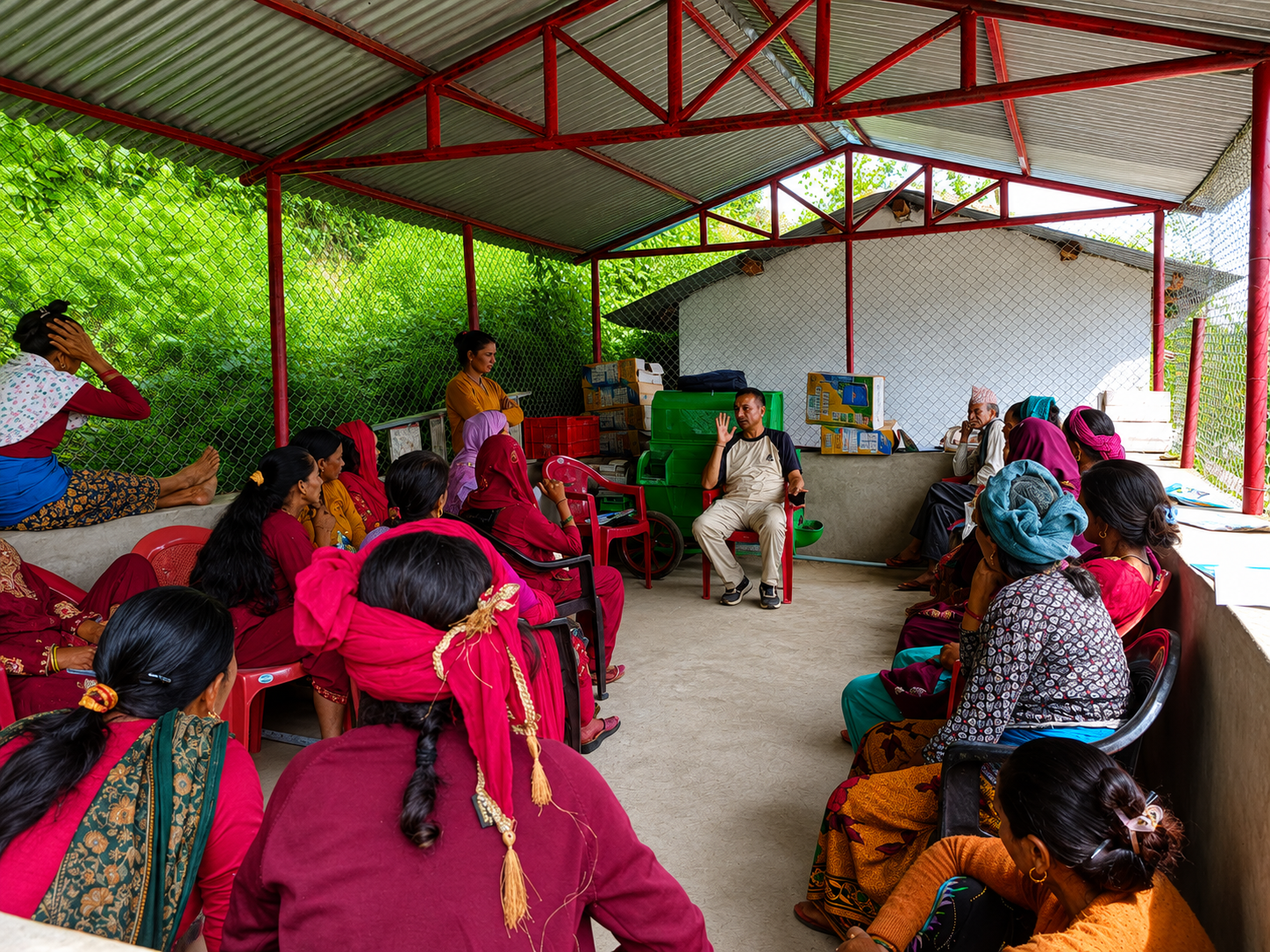
In the final session, participants created workplace improvement action plans. They identified immediate actions to complete within one month and longer-term improvements to implement within three months.
The training has improved the participants’ knowledge and skills related to occupational safety, workplace organization, safe agricultural practices, and affordable workplace improvements. The program aims to help women farmers create safer, healthier, and more productive agricultural working environments.