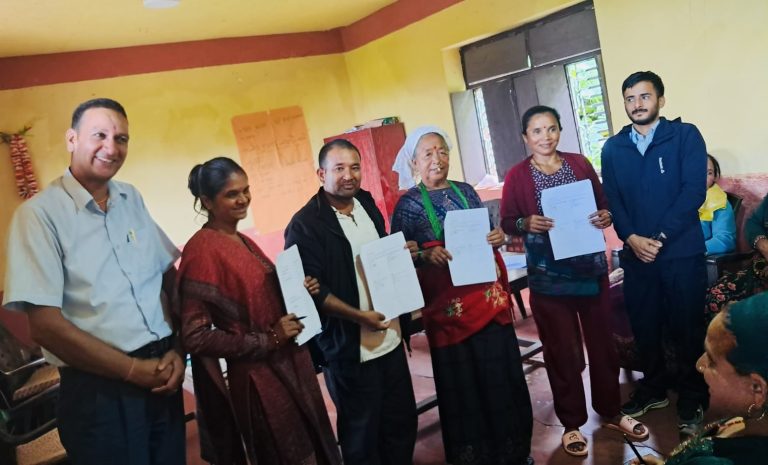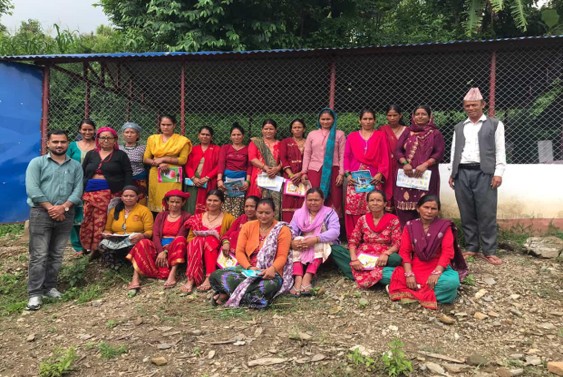
23–24 July 2026. A two-day training on Potato Post-Harvest Technology and Management was successfully conducted for members of the Juneli Farmers Group in Birendranagar–16, Surkhet.

The program was organized by Saewcc-Nepal under the International Labour Organization (ILO) through the European Union–United Nations (EU–UN) Empowered Women, Prosperous Nepal (EWPN) Program.
The training was facilitated by Mr. Tej Raj Regmi, Horticulture Officer, Agriculture Directorate, Surkhet. Mr. Chitra Rokaya was also present during the inauguration session.
The training aimed to enhance farmers’ knowledge and practical skills in potato post-harvest handling, storage, grading, packaging, transportation, processing, and marketing. The program focused on reducing post-harvest losses, maintaining potato quality, improving storage practices, and creating opportunities for value addition and better market access.
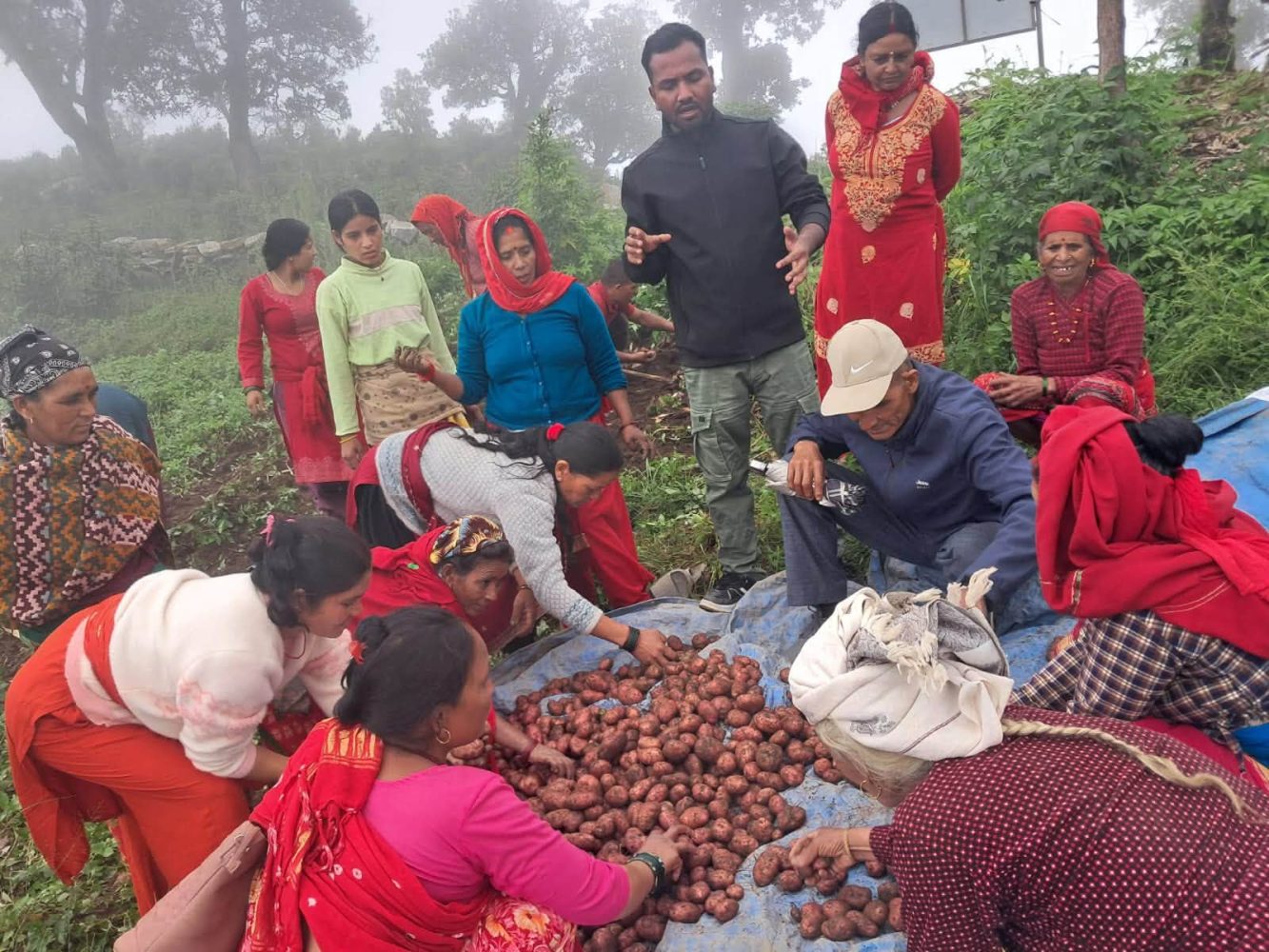
The training was conducted using participatory and practical methods, including technical presentations, lectures, discussions, practical demonstrations, storage facility observation, sample observation, group work, question-and-answer sessions, and experience sharing.

On the first day, participants received technical knowledge on potato post-harvest management, storage methods, potato value chain, and processing opportunities. Discussions included value-added products such as chips, French fries, flakes, and potato flour. Participants also observed a rustic potato storage facility and discussed local storage practices. The day concluded with sessions on curing, packaging, and safe transportation of potatoes.
On the second day, participants reviewed the previous day’s learning and received training on the management of storage diseases and pests. The sessions also covered physiological disorders and abnormalities in potato tubers.
Participants then worked in groups to prepare practical action plans for applying the knowledge and technologies learned during the training. The program concluded with a post-test, training evaluation, and closing session. There were 25 people present at the event.