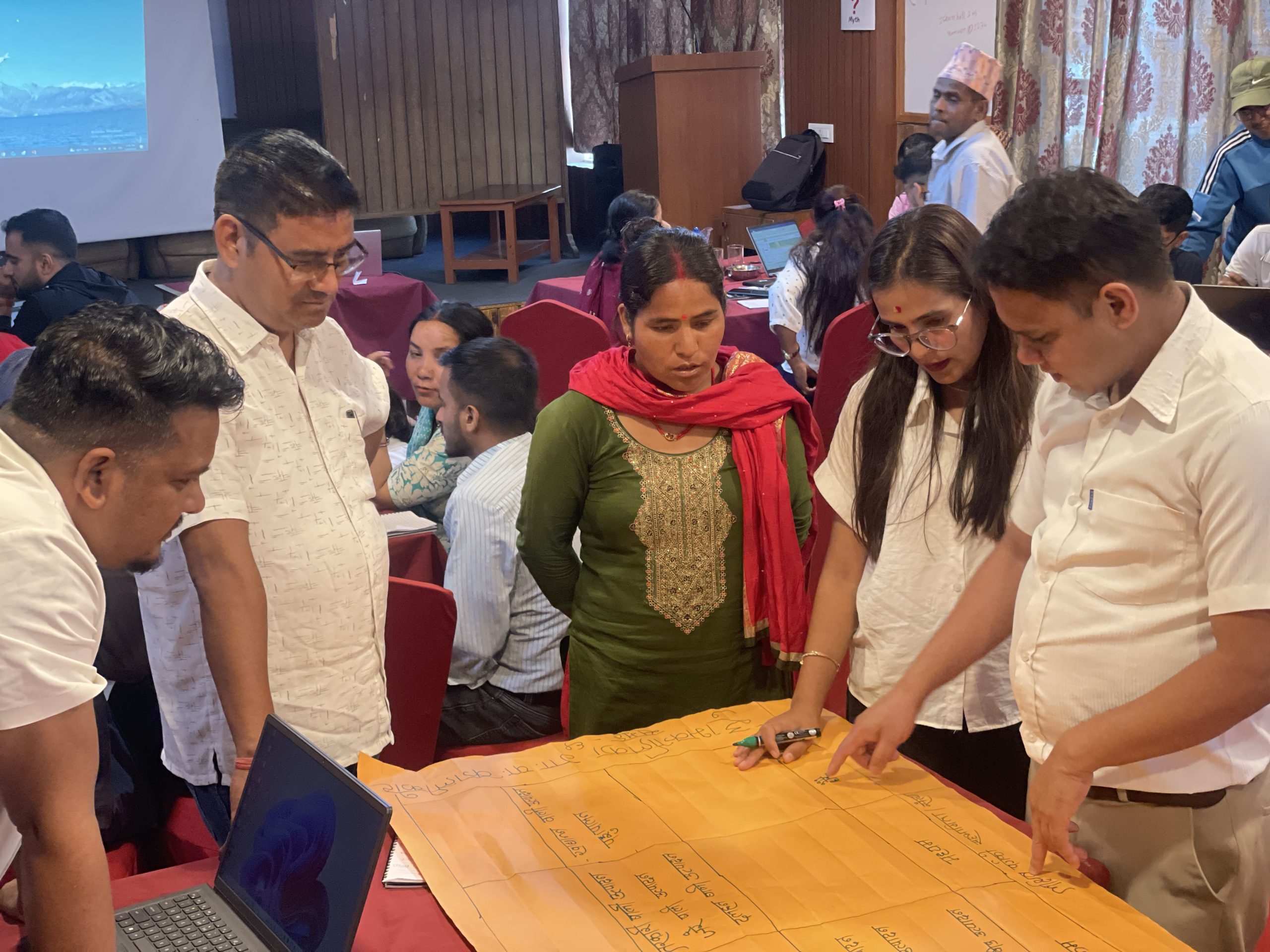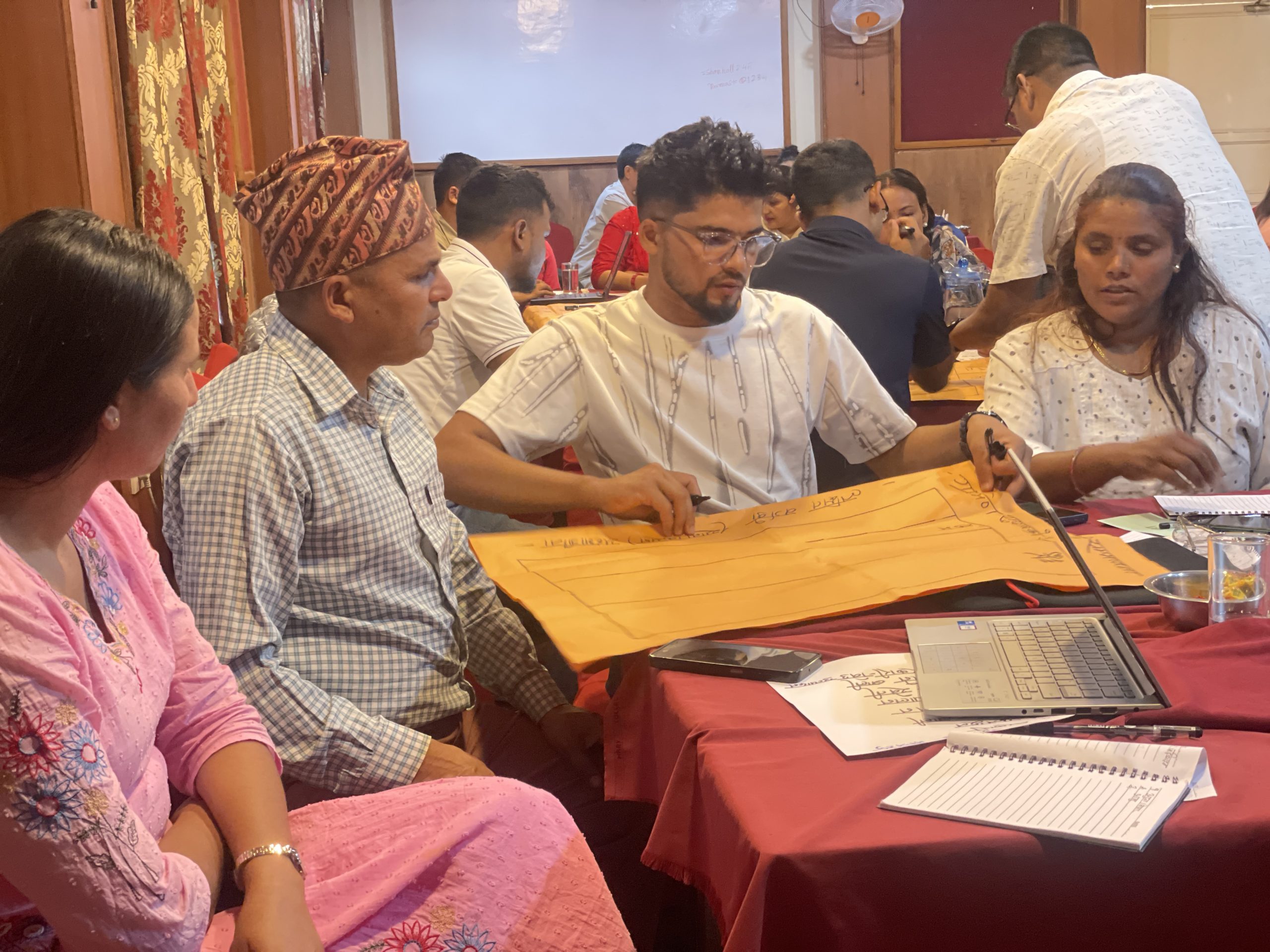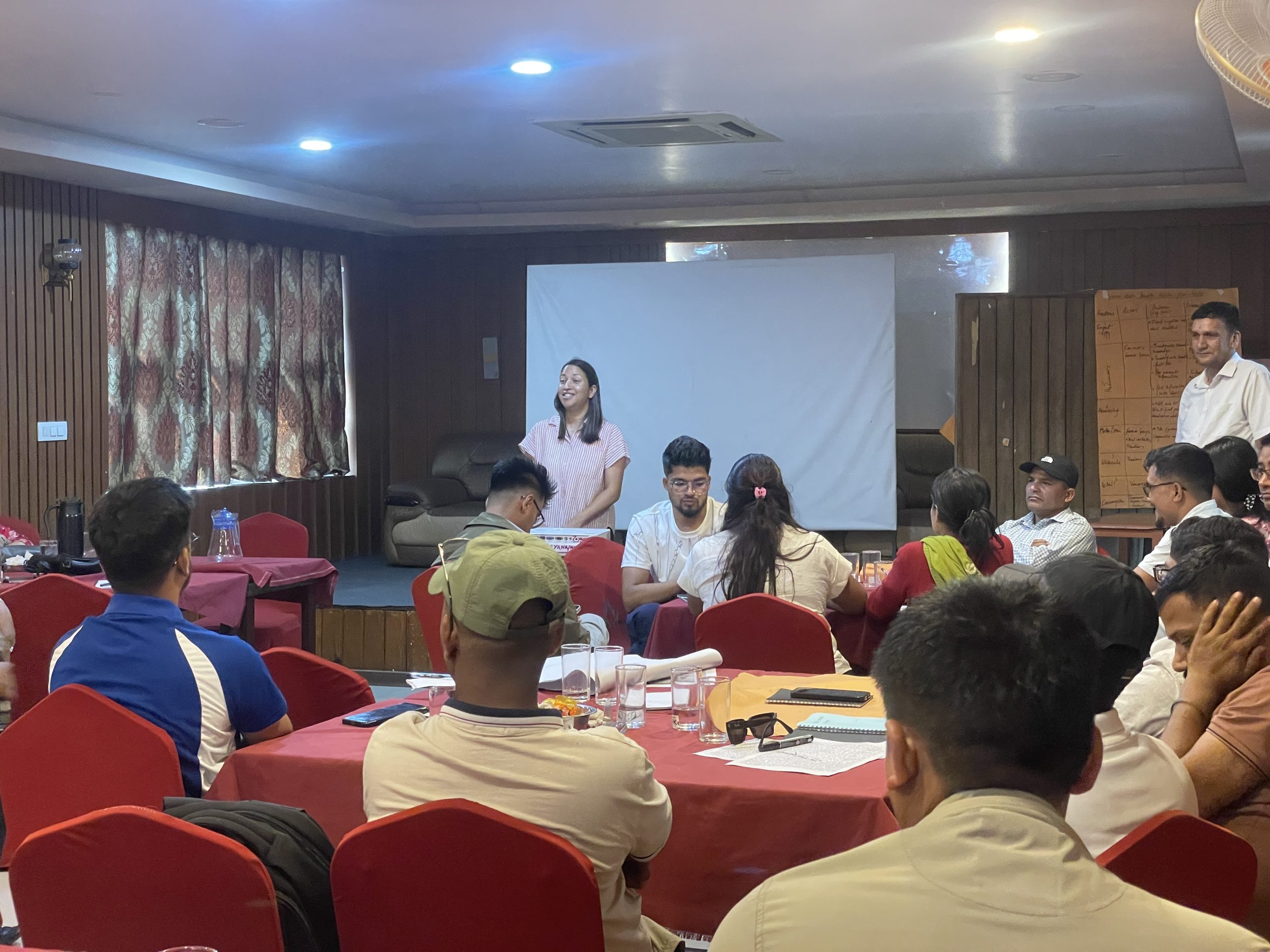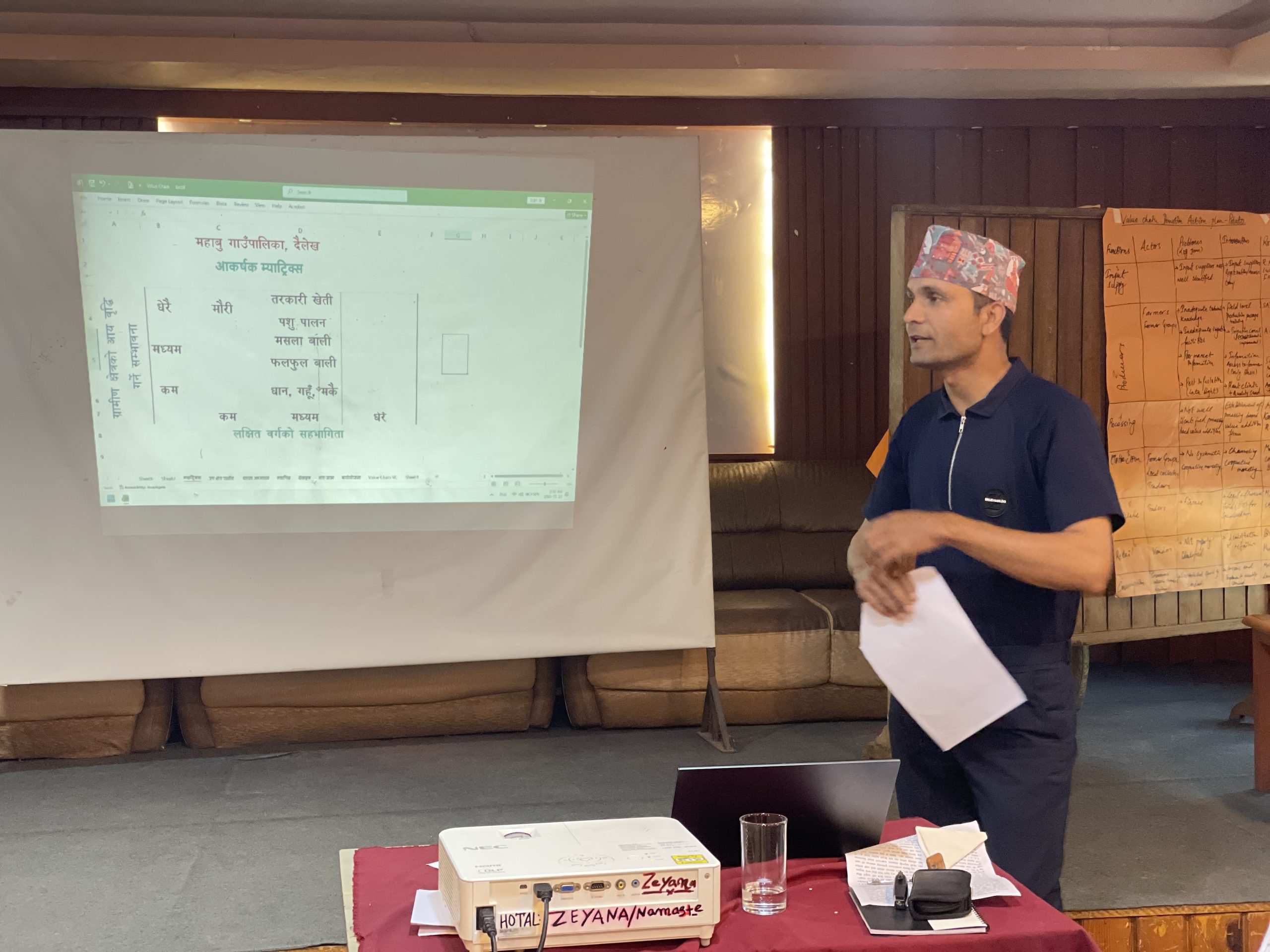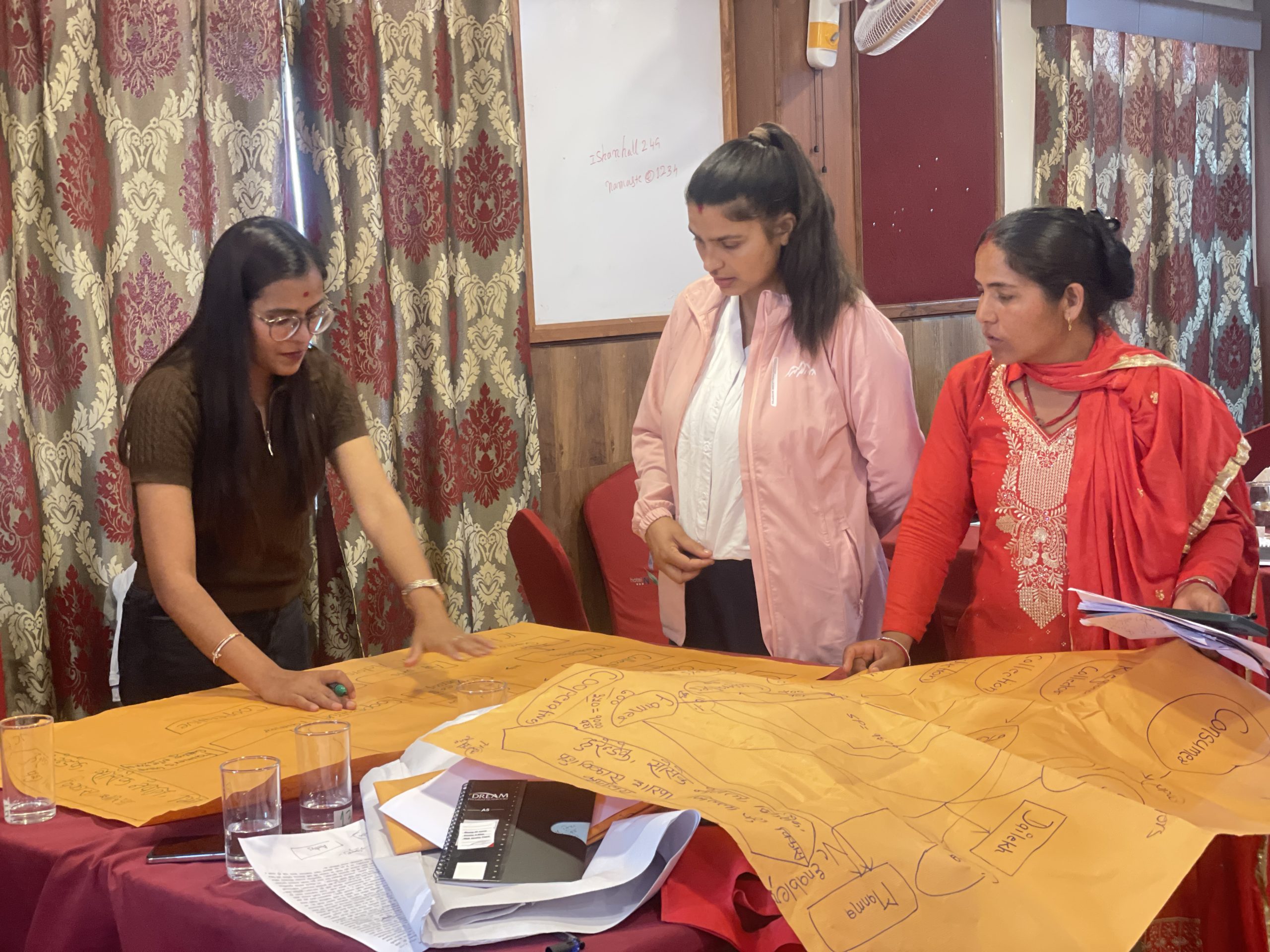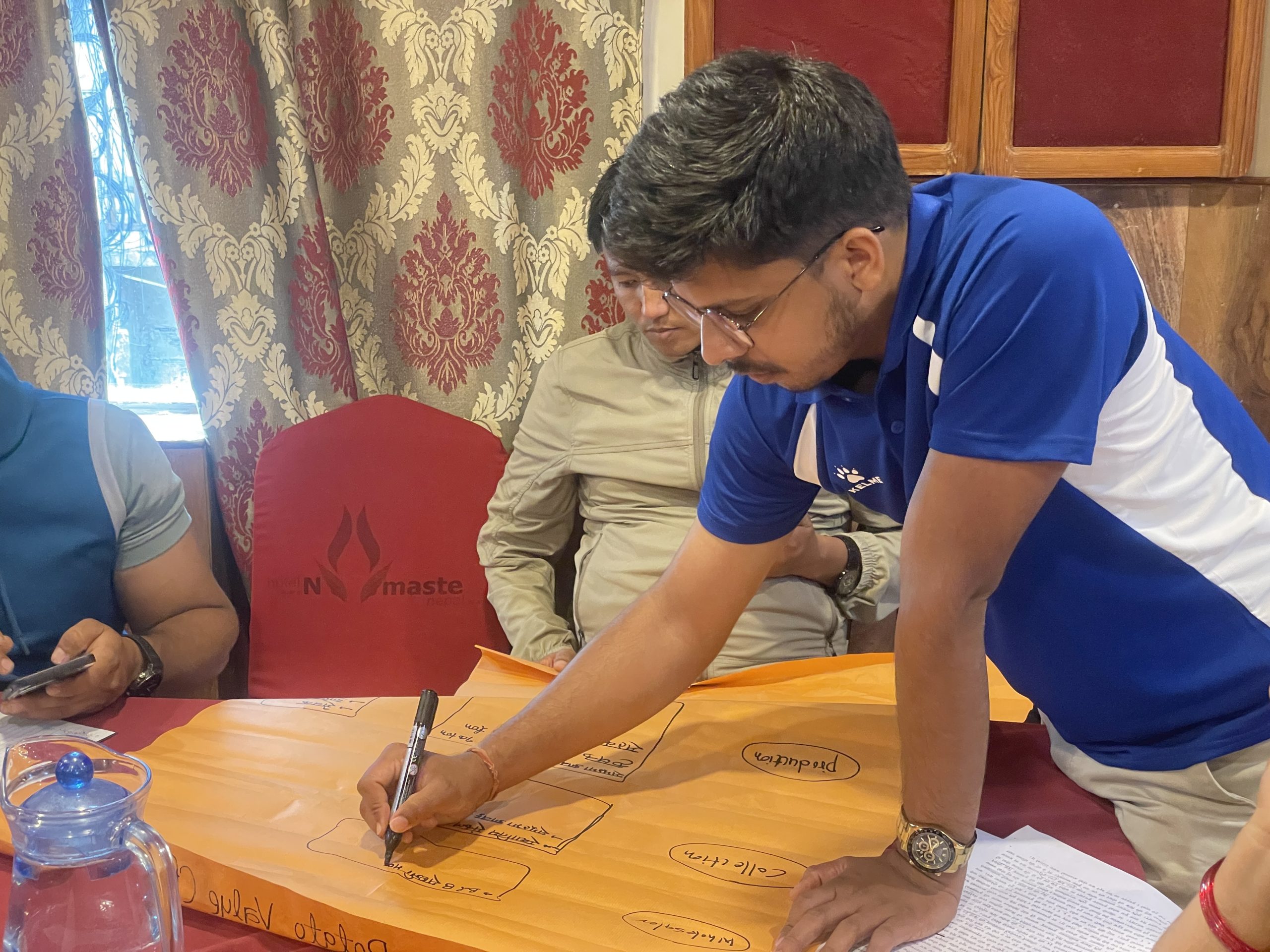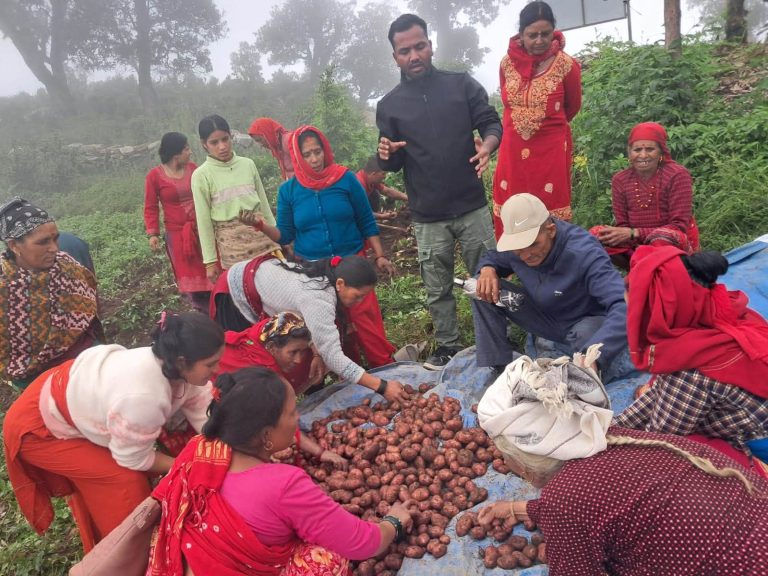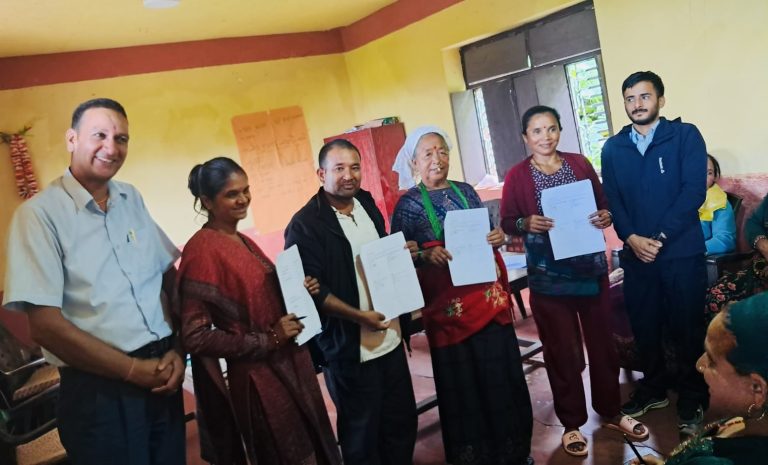
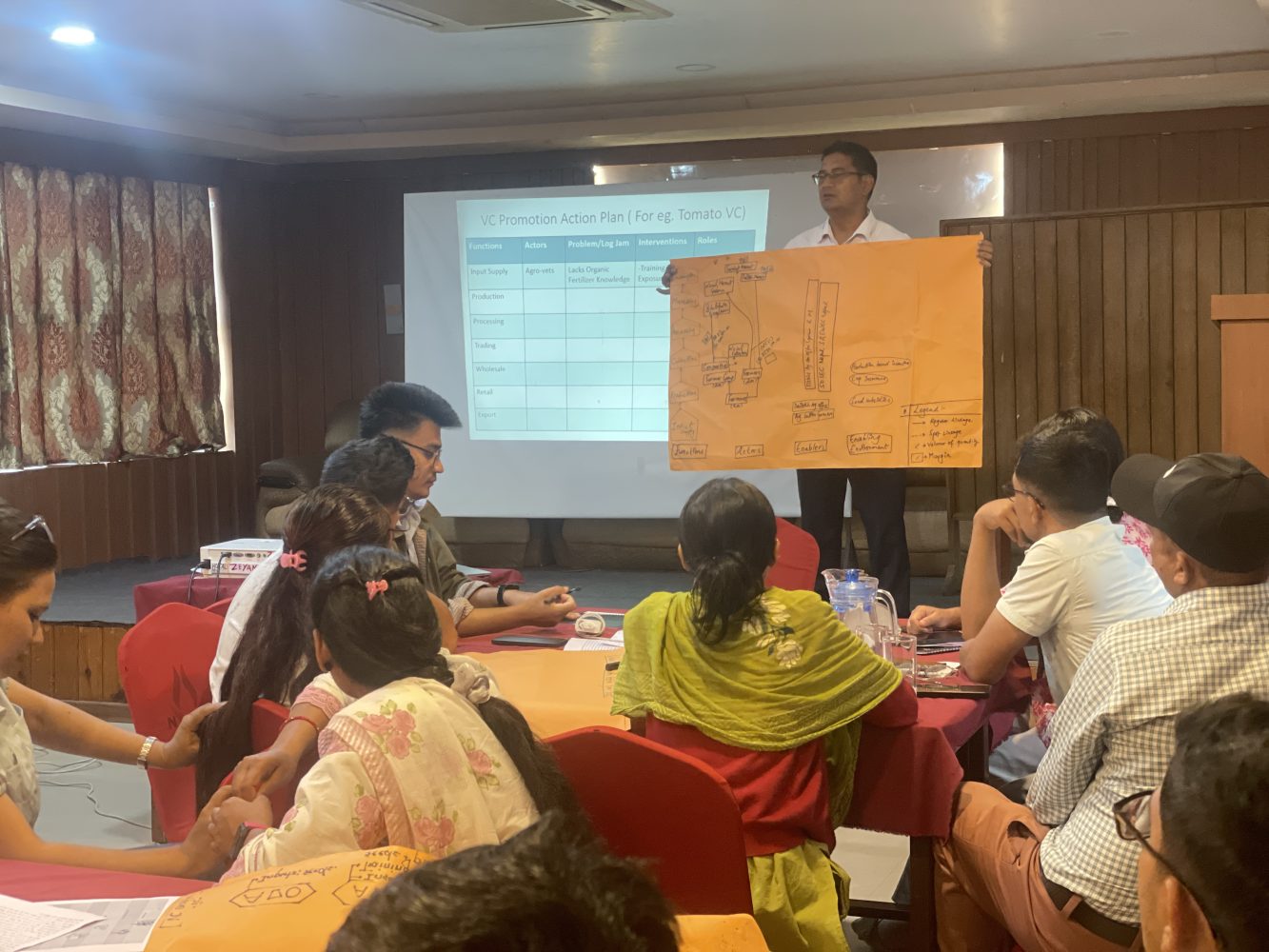
25th May 2026. A Two days training focusing on making agriculture more fair and profitable for everyone has just finished in Karnali Province. The goal is to help women earn money and increase income from farming.
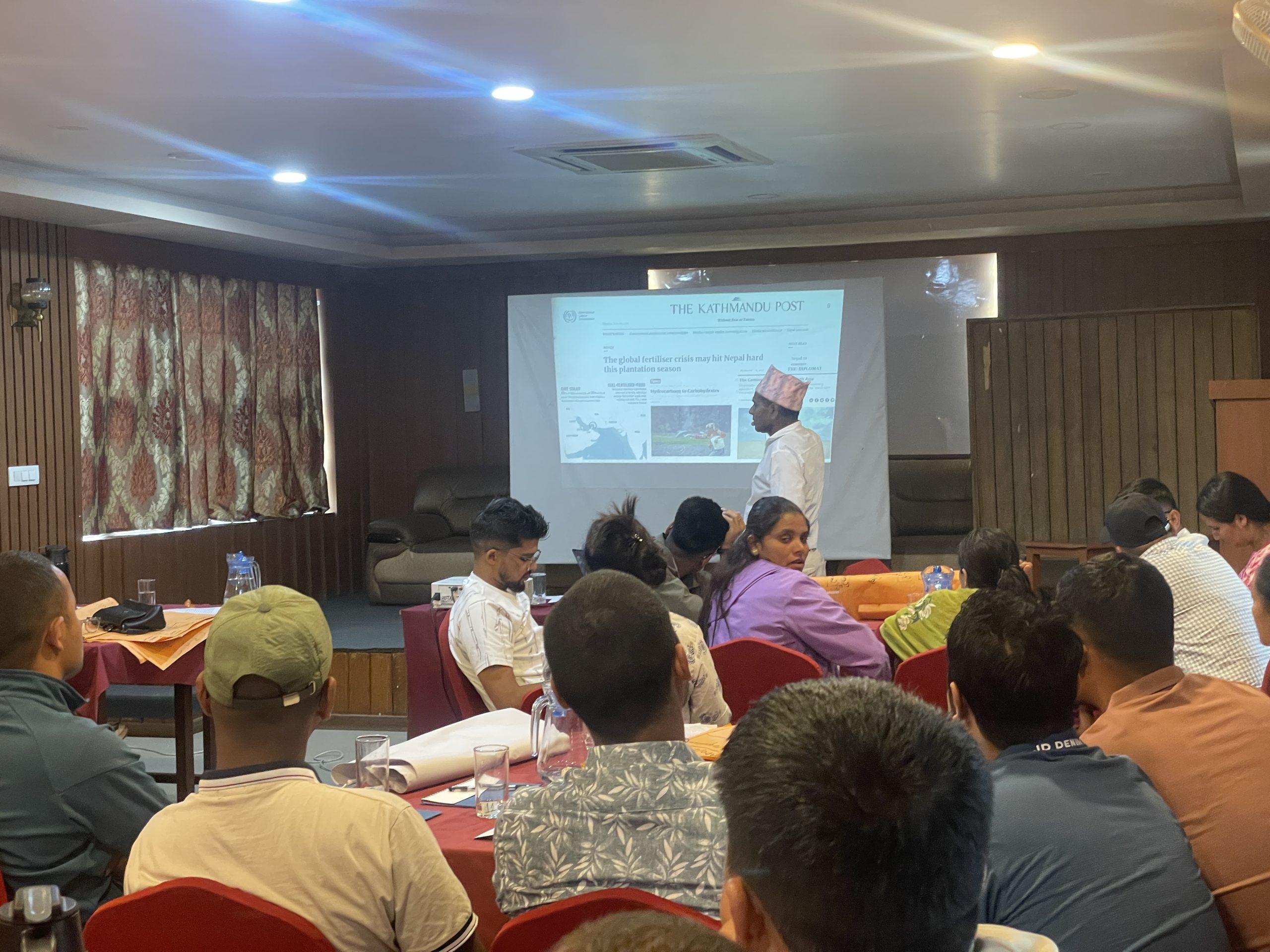
The training was conducted under the “Empowered Women, Prosperous Nepal (EWPN)” initiative, a joint effort of the Government of Nepal, the European Union, and United Nations agencies. The program was organized through the initiative of the International Labour Organization (ILO) in partnership with Saewcc-Nepal.
The training was attended by heads of agriculture sections, agriculture officers, and representatives of farmer groups from 10 local governments in Karnali Province. The sessions were facilitated by Dhan Bahadur Kathayat, Chief of the Agriculture and Livestock Business Promotion Training Center, and Bakhat Bahadur Khadka, Chief of the High-Value Agriculture Commodity Promotion Program.
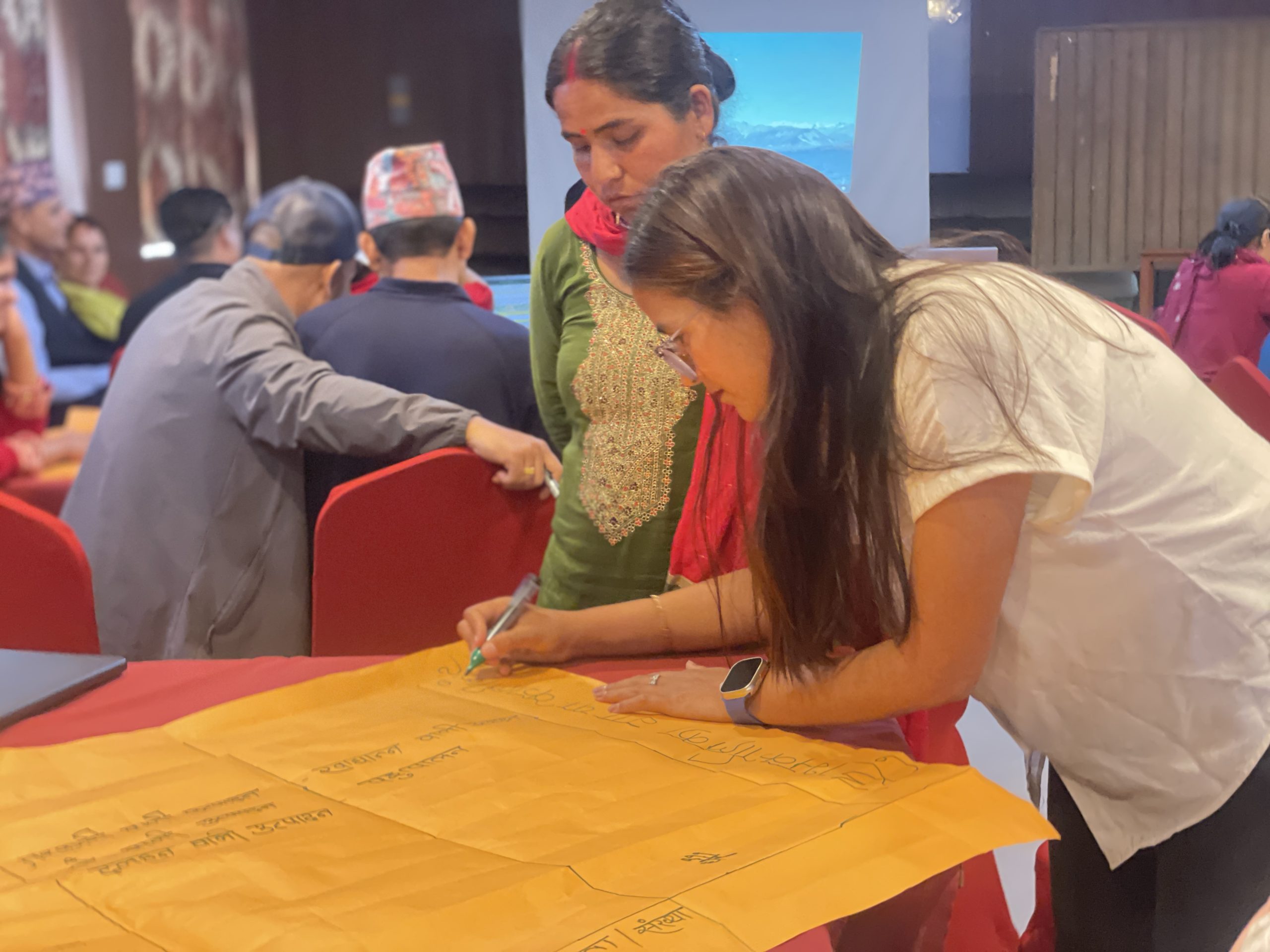
The training session were focused to make farming more commercial and sustainable. Participants learned about how to choose the products map out the value chain and make a plan. They also learned about the importance of the process from growing crops to selling them.
The participants discussed what products have the potential, like fruits, vegetables and livestock. They also talked about how local governments can help farmers by including these products in their plans and budgets.
The program stressed the importance of considering what the market wants, generating income creating jobs, food security, inclusion and adapting to climate change. This should be done when choosing areas to focus on and designing programs.
Nirmala Adhikari, an Suvakalika rural municipality Agriculture Technical Assistant said the two-day training was very helpful. She is confident that what she learned will help improve farming in her area.
Pritam Thapa, Bhairabi rural municipalty chief of the Agriculture Section said linking farming with value chain systems can help expand markets improve quality and increase farmers income.
The training was attended by people from agriculture, planning and enterprise sectors. They were from 10 governments, across Karnali Province.